 English
 中文简体
中文简体
 Español
Vacuum Flask Manufacturer services are widely used by brands, distributors, retailers, promotional product buyers, and hospitality businesses that need customized drinkware. Instead of purchasing a standard flask and adding simple branding, buyers can work with a manufacturer to develop a product around specific usage requirements, appearance preferences, and packaging needs.
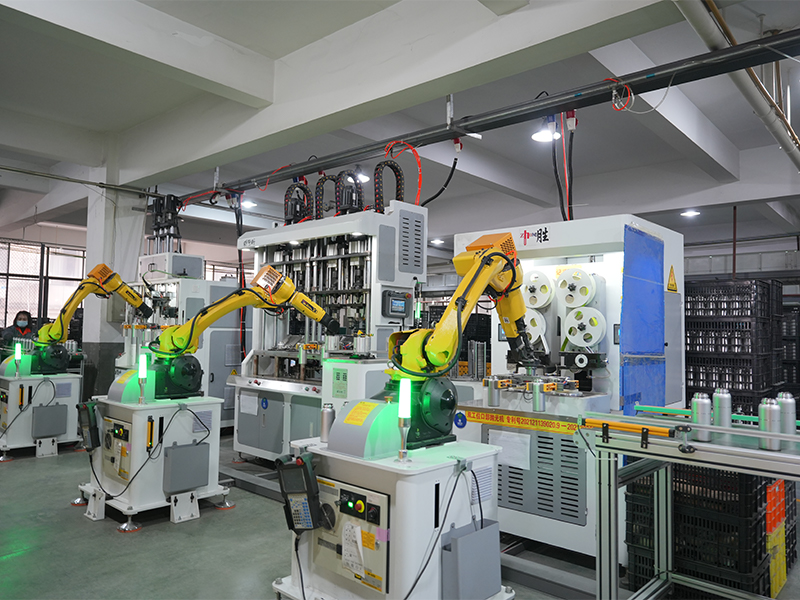
OEM projects can cover several parts of a vacuum flask. These can include the bottle body, lid, color, surface finish, logo, handle, packaging, and other product details. ODM projects can involve further development of the bottle structure or functional components.
The right production approach depends on the buyers product concept. A retail brand may focus on appearance and packaging, while an outdoor product business may pay greater attention to portability and lid design.
Vacuum Flask Manufacturing Process
The production of a stainless steel vacuum flask generally involves several connected processes. Stainless steel material is prepared before the bottle body is formed. The inner and outer walls are processed according to the selected bottle design.
Welding connects the relevant metal components and helps create the required bottle structure. Careful processing is important because the bottle needs to maintain its shape during later vacuum treatment.
Vacuum treatment creates the insulated space between the inner and outer walls. The condition of this space has a direct relationship with the thermal insulation function of the finished flask.
After the body has been processed, surface treatment can be applied. Depending on the product design, manufacturers may use polishing, brushing, powder coating, spray coating, or other finishing methods.
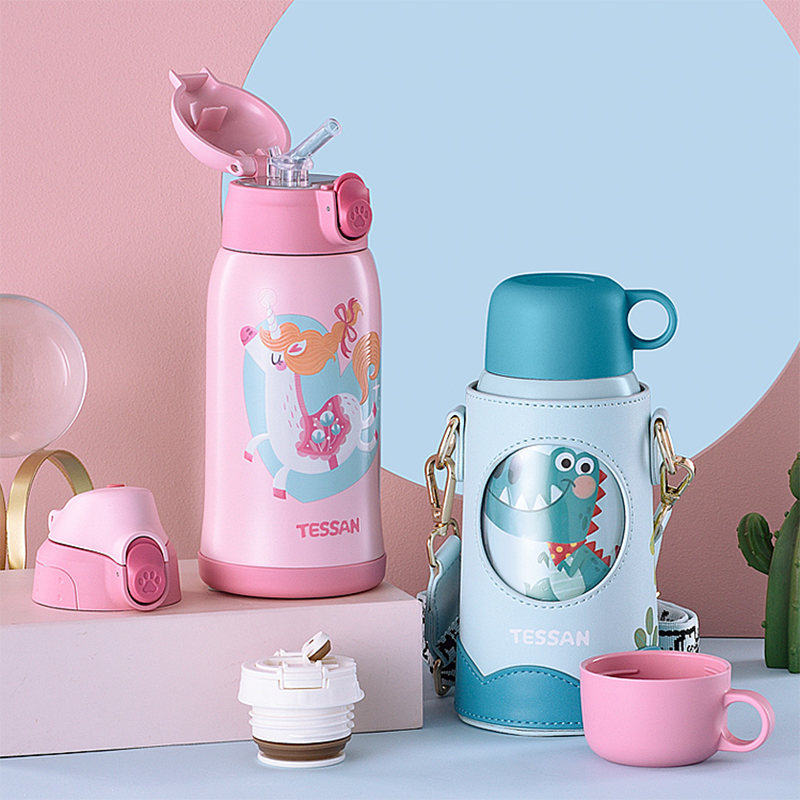
The lid is produced separately and assembled with the bottle body. Different lid structures can be selected according to the intended application.
OEM Customization Options
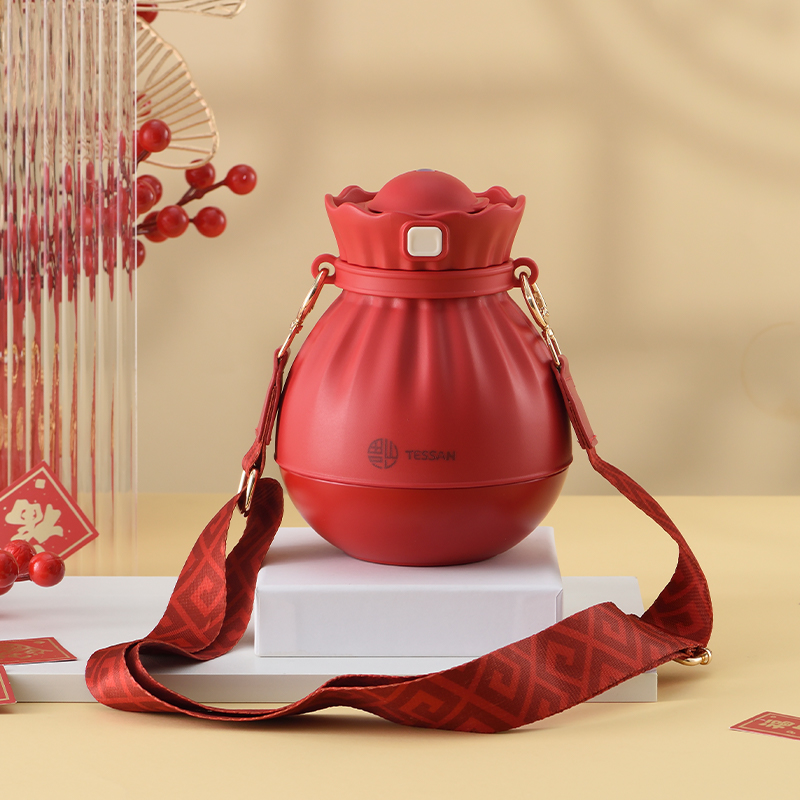
Bottle shape is one area that can be customized. A buyer may request a cylindrical body, tapered design, curved body, or another structure that fits a particular product collection.
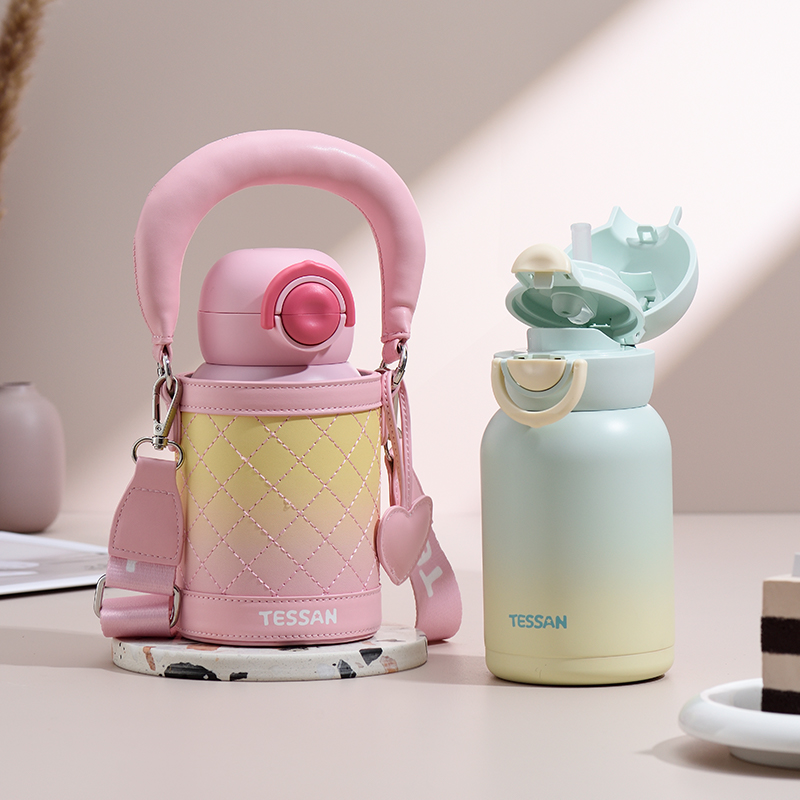
Color is another common customization option. Buyers can provide color references for product development and request matching colors across several products.
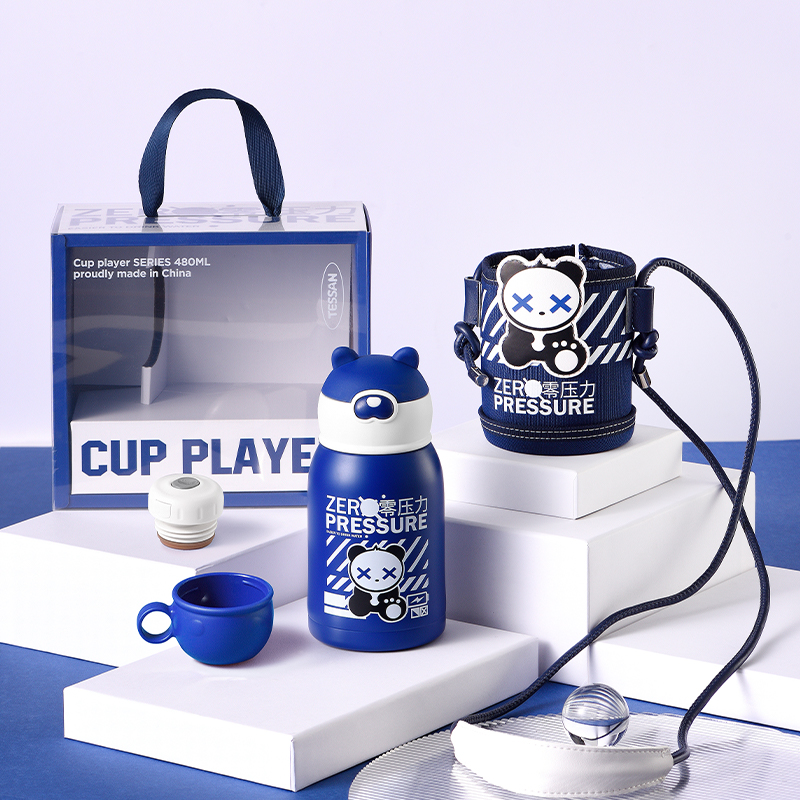
Logo application can involve laser engraving, screen printing, UV printing, heat transfer, embossing, or other methods. The appropriate process depends on the bottle surface and artwork.
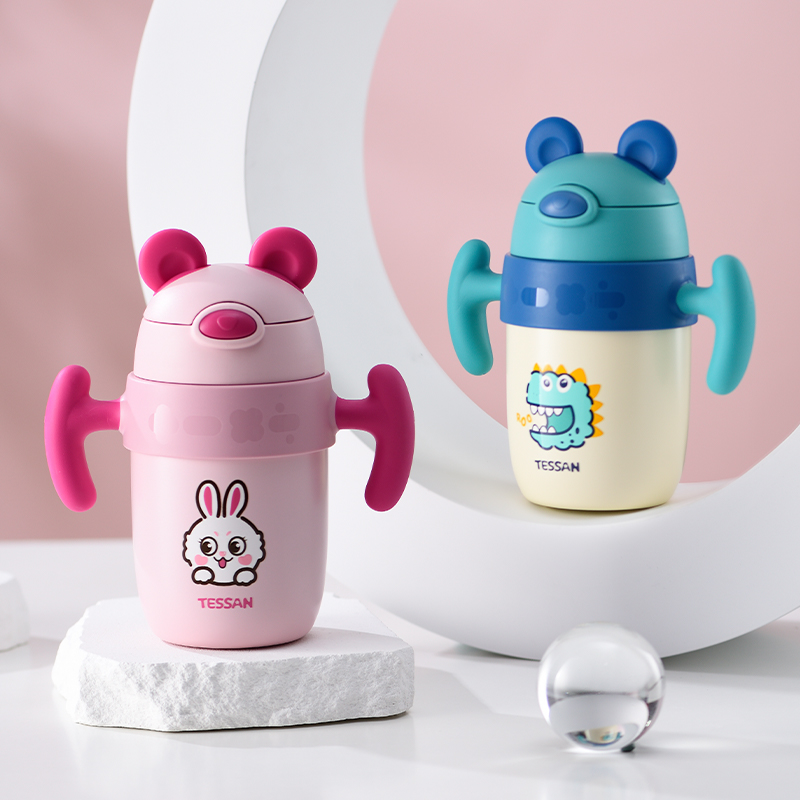
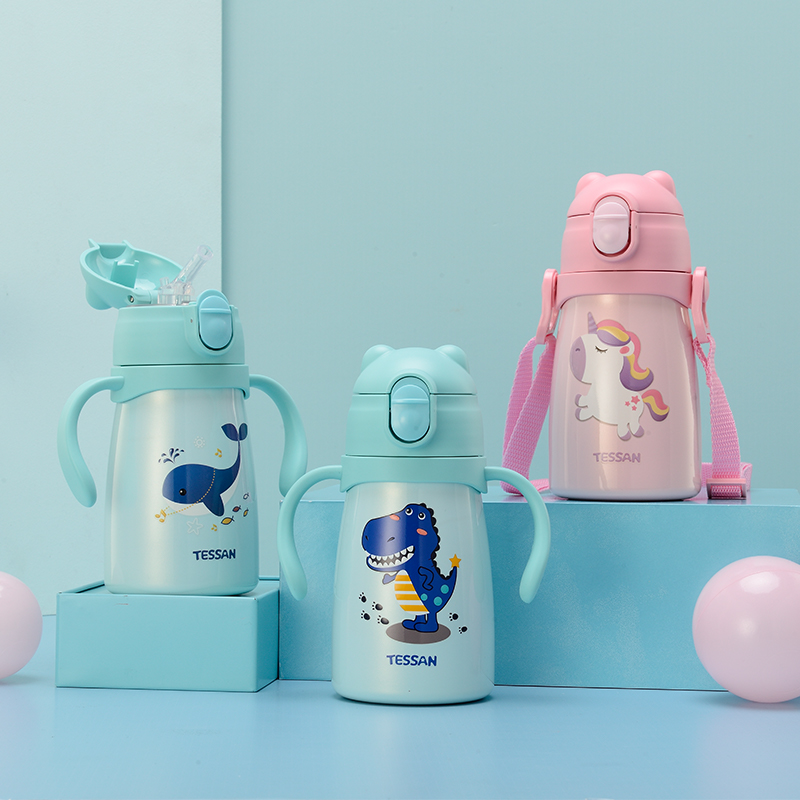
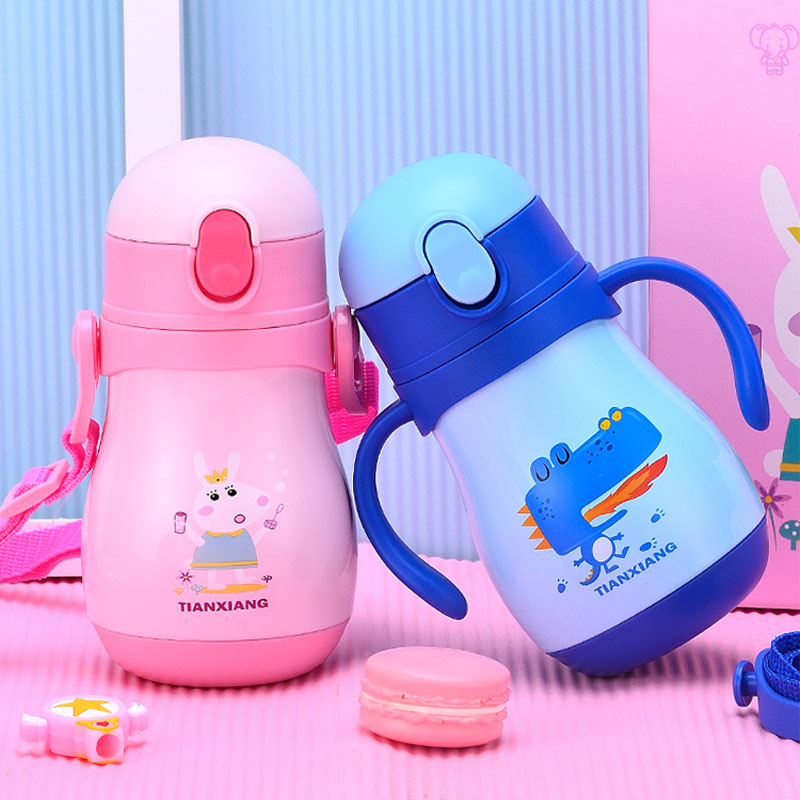
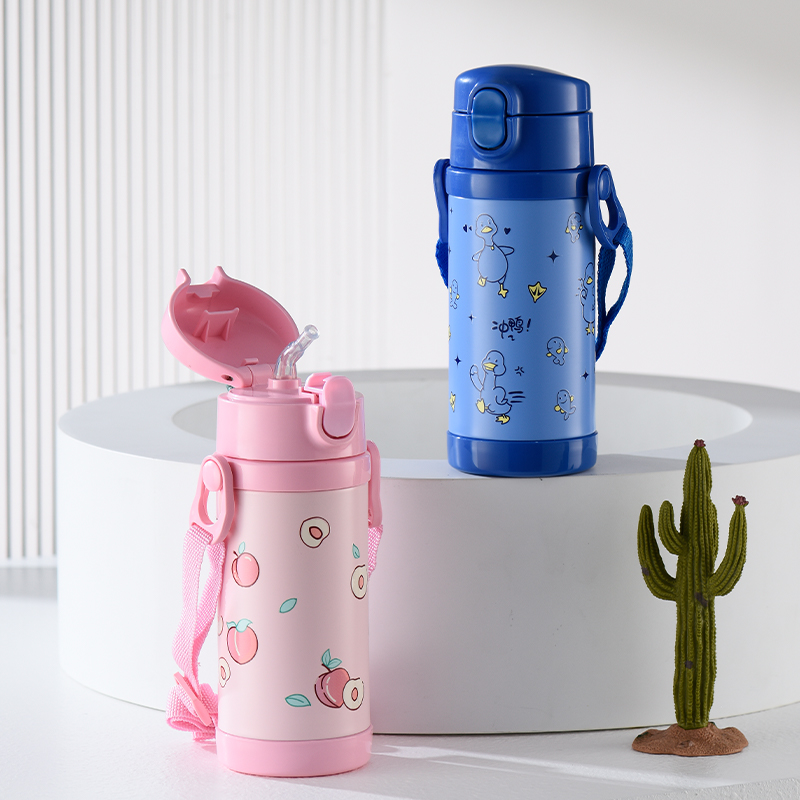
Lid customization can include screw lids, flip lids, straw lids, and push-button structures. Handles can also be added when carrying convenience is important.
Packaging can be developed around the target sales channel. Retail boxes, product labels, instruction cards, protective inserts, and shipping cartons can all be discussed during an OEM project.
Quality Control During Production
Quality control can cover material inspection, body forming, welding, vacuum treatment, lid assembly, sealing, surface treatment, logo application, and packaging.
Material checks can confirm that the selected stainless steel matches the agreed product specification. Bottle body inspection can identify dents, scratches, uneven surfaces, or forming issues.
Leak testing is an important part of vacuum flask inspection. The lid, thread, gasket, and bottle opening need to work together to create a reliable seal.
Surface inspection can review coating consistency, color appearance, polishing quality, and logo placement. Packaging inspection can confirm that the finished product is protected during handling and transportation.
Communication Between Buyer and Manufacturer
Clear product information can make OEM development easier. Buyers can provide details about the intended application, bottle shape, material, lid type, color, logo, surface finish, and packaging.
Samples can then be reviewed before production. A sample allows buyers to assess the physical appearance, lid operation, sealing, surface texture, and overall handling.
If changes are required, the specifications can be adjusted during the development stage. Approved product information can then serve as a reference throughout production and inspection.