 English
 中文简体
中文简体
 Español
Stainless Steel Vacuum Bottle Manufacturer services are becoming an important part of the drinkware supply chain. Retail brands, hospitality businesses, promotional product buyers, and distributors often look for manufacturers that can provide a combination of material selection, bottle design, surface treatment, lid options, packaging, and private label services.
A manufacturer can work with buyers from the early product concept through sample development and production preparation. This process allows the buyer to discuss the intended application before selecting a suitable bottle structure.
OEM projects can involve an existing bottle design with customized branding. ODM projects can involve further product development, including changes to the bottle body, lid, handle, finish, or packaging. The required service depends on the buyers product plan and sales channel.
Stainless Steel Vacuum Bottle Production
A stainless steel vacuum bottle generally contains an inner wall, outer wall, and vacuum space between them. The bottle body needs to be formed and assembled carefully so that the structure can support the intended insulation function.
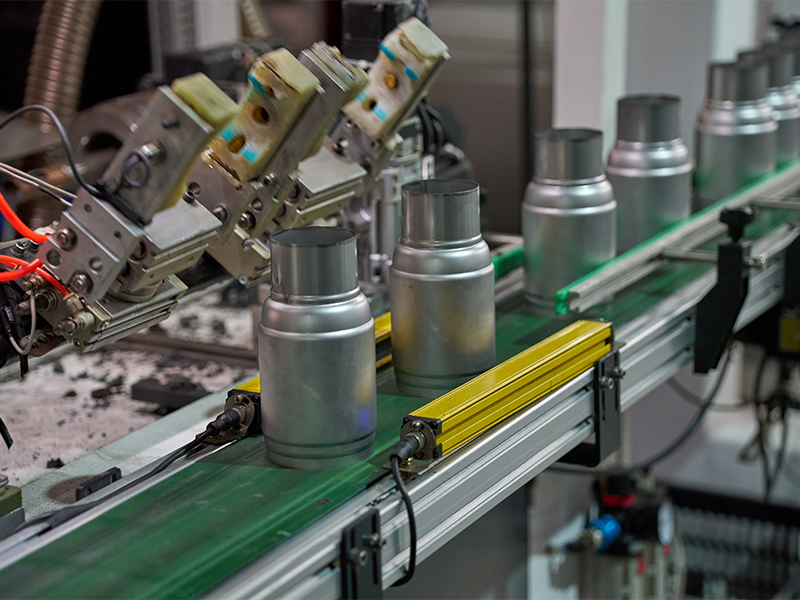
Manufacturing can include stainless steel sheet processing, bottle forming, welding, polishing, vacuum treatment, surface finishing, lid production, assembly, and inspection.
The inner wall comes into direct contact with beverages, so material selection is an important consideration. Buyers may request specific stainless steel grades according to their target market and product requirements.
The outer wall can receive different finishes. Powder coating, spray coating, polishing, brushing, and other surface treatments can create different appearances and tactile effects.
OEM Services for Vacuum Bottles
OEM customization can cover a wide range of product elements. Buyers may request a particular bottle shape, body color, logo position, lid style, handle design, or surface finish.
Logo application can include laser engraving, screen printing, heat transfer, UV printing, and other methods. The suitable process depends on the bottle material, surface, logo design, and intended appearance.
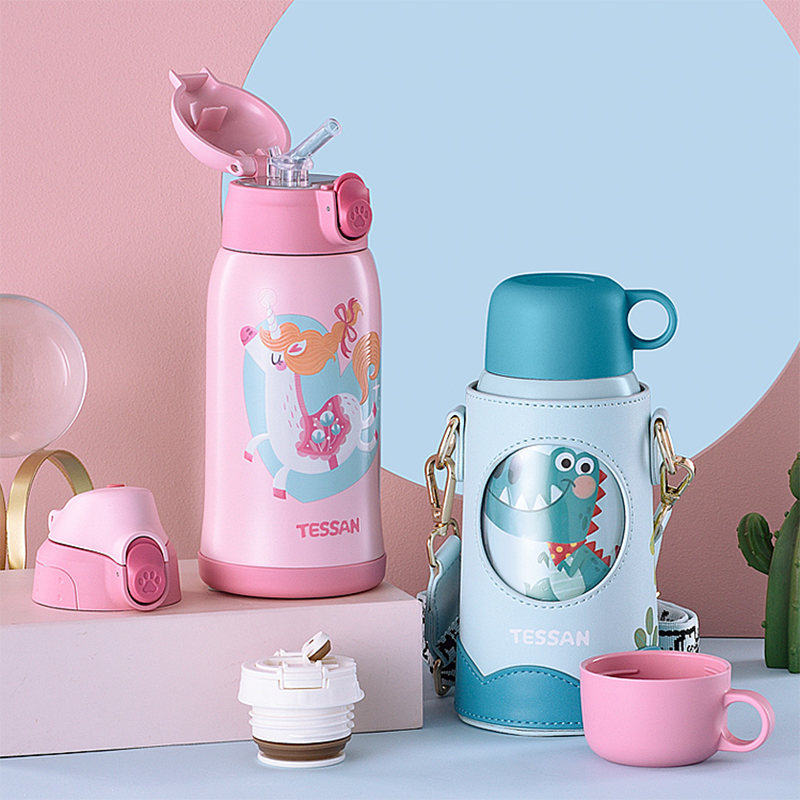
Lid customization can also be important. Screw lids, flip lids, straw lids, and push-button lids can provide different user experiences.
Packaging can be customized as well. Retail boxes, product labels, instruction cards, barcode labels, and other packaging materials can be developed according to the buyers requirements.
Quality Control During Manufacturing
Quality control can cover material inspection, body forming, welding, vacuum processing, lid assembly, sealing, surface treatment, and packaging.
Leak testing is an important part of bottle inspection. A properly assembled lid and sealing ring can help prevent unwanted leakage during transportation and daily use.
Surface inspection can identify scratches, uneven coating, color differences, and other visible issues. Logo inspection can also confirm whether the selected printing or engraving process has produced the intended appearance.
For OEM projects, sample approval can provide a reference for production. The approved sample can help the manufacturer and buyer maintain consistent product requirements during manufacturing.
Working With a Manufacturer
Before production begins, buyers can provide information about bottle usage, material preferences, body design, lid type, color, logo, packaging, and target market requirements.
Clear communication can help reduce misunderstandings during product development. Technical drawings, reference samples, color references, and packaging artwork can also help define the requested product.
A Stainless Steel Vacuum Bottle Manufacturer can then review the requirements and discuss available production methods, customization options, sample arrangements, and shipment preparation.